Dud and misfired fireworks are not safe to handle immediately after failure. The composition inside may still be active, the fuse may reignite, and the casing may be compromised. Anyone searching for a fireworks store near me to replace failed products should handle disposal correctly first. This covers the right steps from the moment a firework fails through safe neutralization and disposal.
Why Duds and Misfires Are Dangerous
A firework that didn’t go off is not a safe firework. It is a live pyrotechnic device in an unknown state.
The Specific Hazards of a Failed Firework
Duds and misfires present three distinct hazards that fresh unfired products don’t:
- Delayed ignition: A fuse that appears to have gone out may still have an active ember burning inside the casing. Delayed ignition can occur minutes after the apparent failure.
- Compromised casing: A firework that partially ignited may have a weakened or cracked casing. If it detonates at close range, the casing failure produces shrapnel rather than a controlled aerial effect.
- Unstable composition: Partial ignition alters the chemical state of the remaining composition. The altered composition may ignite faster, slower, or more violently than the original product was designed to.
Returning to a failed firework before following proper wait and soak procedures is one of the leading causes of serious fireworks injuries every season.
What to Do Immediately After a Misfire
The first minutes after a firework fails are the most dangerous. The correct response is to do nothing except wait.
The Department of Homeland Security’s fireworks safety tips states clearly: never try to relight or approach a failed firework. Let duds sit for 5 to 10 minutes before taking any action. During that waiting period:
- Keep all bystanders at a safe distance from the failed firework
- Do not allow anyone to approach, touch, or attempt to relight the product
- Do not pour water on it immediately as thermal shock to a hot composition can trigger ignition
- Watch from a distance for any sign of smoke, sparks, or movement indicating delayed ignition is still occurring
After the full wait period has passed and no ignition activity is observed, you can proceed to the soaking step.
How to Safely Soak and Dispose of Duds
Water is the only safe way to neutralize a dud or misfired firework before disposal. The soaking process must be done correctly to work.
The Correct Soaking and Disposal Procedure
- Use a bucket of water, not a hose: Submerge the dud completely in a bucket. Full submersion neutralizes the composition more reliably than pouring water over the product.
- Soak for a minimum of 24 hours: Short soaking periods don’t fully neutralize the composition inside the casing. Overnight soaking is the minimum safe duration.
- Use a shovel to move the dud: Do not pick up a dud with your hands before soaking. Use a shovel or long-handled tool to move it into the water.
- Double bag after soaking: Once fully soaked, place the neutralized firework in two sealed plastic bags to prevent it from drying out before disposal.
- Place in household trash after bagging: A fully soaked and double-bagged dud is safe for standard household trash disposal.
- Contact your local fire department for large quantities: Multiple duds should be reported to local fire services for proper bulk disposal guidance.
Never place dry duds directly in household trash. Friction and compression during collection can trigger ignition.

Common Mistakes People Make With Misfires
Most fireworks injuries from duds and misfires happen because of predictable, avoidable mistakes.
The Four Most Dangerous Misfire Mistakes
- Returning too soon: Waiting less than the recommended 5 to 10 minutes before approaching a failed firework is the single most common mistake. Delayed ignition within that window causes the majority of misfire-related injuries.
- Attempting to relight: Relighting a dud introduces an ignition source to a compromised composition in a weakened casing. The result is unpredictable and frequently causes hand and face injuries.
- Picking up by hand before soaking: Handling a dud without soaking first exposes the handler to both thermal burns from residual heat and the risk of triggering ignition through mechanical pressure on the casing.
- Disposing of dry duds in trash: A dry dud placed in a trash can retains its pyrotechnic composition. Compression from additional trash or the collection vehicle can cause ignition. Full soaking before disposal removes this risk entirely.
How to Prevent Duds and Misfires in the First Place
Product quality and storage conditions are the two biggest factors in misfire rates. Addressing both reduces the frequency of duds significantly.
What Reduces Misfire Risk Before You Light Anything
- Buy from established brands: Reputable manufacturers maintain fuse quality and composition consistency that reduces misfire rates compared to unbranded products
- Check storage conditions before use: Fireworks exposed to moisture or extreme heat have higher misfire rates. Inspect products for soft spots, fuse damage, or discoloration before use
- Use products within a reasonable time after purchase: Fresh products from the current season have lower misfire rates than products stored for multiple years
- Follow lighting instructions precisely: Incorrect lighting technique is a common cause of misfires. Read product instructions before every use
- Keep products dry on the night of use: Moisture from evening dew or humidity can compromise fuse performance during a display
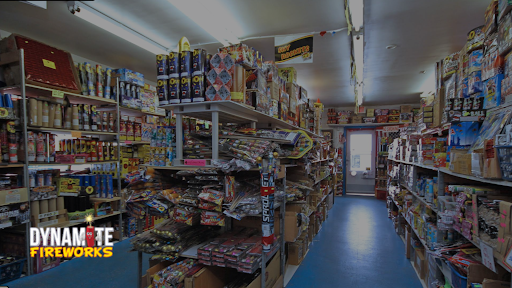
The fireworks store near me that Hammond and Chicago area buyers rely on for fresh quality products is Dynamite Fireworks at 4218 Calumet Ave, Hammond, IN. The store carries established brands with proven quality records and staff who can help you choose products with reliable fuse performance.
Duds Happen. Fresh Fireworks From Dynamite Don’t.
A misfire usually points to one of two things: poor storage or inconsistent manufacturing. Both are avoidable when you buy from a retailer who knows their product line. Dynamite Fireworks at 4218 Calumet Ave, Hammond, IN carries consumer fireworks from manufacturers with proven fuse reliability and consistent composition quality. If last season’s display produced more duds than expected, the issue starts at the source. Dynamite Fireworks stocks products that perform the way they’re supposed to. Call ahead or stop in before peak season inventory starts moving.