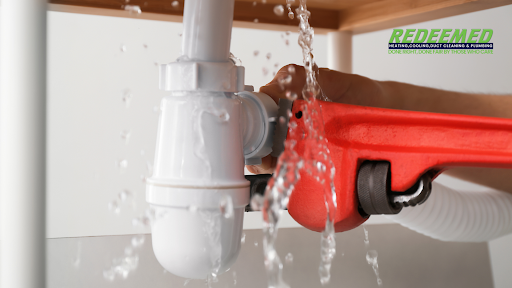
Plumbers install, repair, and maintain the water and drain systems in your home. If you have a clogged drain, a burst pipe, a leaking water heater, or a sewage backup, a licensed plumber is who you call. Here is exactly what the job covers.
Pipe Repair and Replacement
Pipes fail for specific reasons, not just age. Water chemistry, installation quality, and pipe material all determine how quickly a line deteriorates. Common failure types include:
- Galvanized steel: Corrodes from the inside out, narrowing the interior before any visible leak appears
- Copper: Develops pinhole leaks from pitting corrosion when water pH drops below 7.0
- PVC: Cracks when soil shifts or when improper slope causes standing water inside the pipe
Plumbers use pressure testing and visual inspection to find the exact failure point. Only the damaged section gets replaced, not the entire line. This avoids unnecessary demolition and keeps repair costs proportional to the actual problem.
Improper repairs on pressurized supply lines can fail within weeks, making licensed work the only reliable fix. A written scope of work before repairs begin protects the homeowner from unexpected charges.
Drain Cleaning and Clog Removal
Slow drains are rarely a surface issue. Bathroom clogs build up in the P-trap and at the first horizontal pipe transition. Kitchen clogs typically form 6 to 10 feet past the sink, where grease cools and sticks to pipe walls. Recurring clogs in the same drain within a few weeks indicate a deeper problem that clearing alone will not resolve.
Plumbers clear blockages using the method that matches the problem:
- Drain snake: Breaks up soft clogs like hair and grease
- Hydro jetting: High-pressure water at 3,500 PSI cleans the full pipe wall
- Root treatment: Applied in sewer lines with confirmed root intrusion
Hydro jetting is the only method that removes residue from pipe walls rather than just punching through the blockage. It also extends the time between service calls significantly compared to snaking alone.
Water Heater Repair and Installation
Tank water heaters last 8 to 12 years. Tankless units last up to 20 years with proper maintenance. Common failure points include:
- Burned-out heating element
- Failed thermostat
- Corroded anode rod
- Sediment buildup at the tank bottom that reduces heat transfer efficiency
Plumbers test the heating element with a multimeter and check thermostat output against actual water temperature before recommending replacement. When repair is not cost-effective, full replacement includes proper venting, gas line connection where applicable, and code-compliant pressure relief valve installation.
At Redeemed HVAC both tank and tankless water heater services are available across the Springfield, MO area.
Leak Detection
Hidden leaks waste an estimated 10,000 gallons per year in a single household, based on U.S. EPA WaterSense data. A leak behind drywall or under a slab can go undetected for months while causing mold growth and structural damage. Water inside a wall cavity creates conditions for mold colonization within 24 to 48 hours of initial intrusion.
Plumbers locate hidden leaks using:
- Pressure differential testing: A pressure drop across a closed system isolates the failing branch line
- Acoustic sensors: Amplify the sound of escaping water to pinpoint the location without opening walls
- Thermal imaging cameras: Detect moisture through temperature differences in wall and floor surfaces
Early detection prevents repair costs from compounding across plumbing, drywall, insulation, and mold remediation trades simultaneously.
Fixture Installation and Repair
A running toilet wastes between 200 and 7,000 gallons per day depending on the severity of the flapper or fill valve failure. A dripping faucet at one drip per second loses approximately 3,000 gallons annually. Both are mechanical failures with specific, identifiable causes that a visual check alone will not always catch.
Plumbers check the complete flush cycle, water inlet rate, and bowl refill time before replacing any part. Fixture work covers:
- Faucets and showerheads
- Toilets and flush valves
- Garbage disposals
- Dishwasher and refrigerator water line connections
Correct installation prevents water hammer, cross-connection, and pressure loss at adjacent fixtures throughout the home.

Sewer Line Services
Sewer line problems follow a recognizable pattern. Multiple drains slow at the same time. Gurgling sounds come from floor drains when a toilet flushes. Sewage odors appear at fixtures without an obvious source. These symptoms point to the main sewer line, not a single branch drain, and require camera inspection to diagnose accurately.
Plumbers run a camera through the line to locate the exact problem, then apply the right repair method:
- Hydro jetting: Clears most blockages and root intrusion
- Pipe lining or pipe bursting: Handles spot repairs without full excavation
- Full replacement: Reserved for lines with multiple failure points or uncorrectable grade problems
Camera inspection before any repair prevents misdiagnosis and unnecessary excavation costs.
Sump Pump Repair
A sump pump removes groundwater from a basement or crawl space before it reaches floor level. It activates through a float switch when water hits a set depth. Common failure causes include:
- Stuck or misaligned float switch
- Burned-out motor
- Clogged discharge line
- Failed check valve that allows water back into the pit after shutdown
Plumbers test float operation, motor amperage draw, and discharge line pressure to isolate the failure point. In Missouri, where spring rainfall and snowmelt raise the water table seasonally, a failed sump pump can flood a basement within hours during a heavy rain event. A battery backup unit removes the risk of failure during a power outage when the pump is needed most.
Emergency Plumbing Response
A burst pipe discharges 100 to 200 gallons per hour depending on line diameter and water pressure. Delay raises the total repair cost and causes secondary damage to floors, walls, and insulation that often costs more than the original repair. Common plumbing emergencies include:
- Burst or frozen pipes
- Sewage backups
- Gas line leaks
- Flooding from a failed water heater or washing machine supply line
The first step is shutting off the nearest isolation valve to stop the flow. A plumber then diagnoses the cause and completes the repair in a single visit when possible. Plumbing services at Redeemed Heating, Cooling, Duct Cleaning & Plumbing are available 24 hours a day across Springfield, Republic, Nixa, and Ozark, MO. Call 417-241-5687 any time a plumbing failure cannot wait.